Attic Condensation or a Roof Leak? Understanding Winter Moisture in Northeast Ohio
You notice a damp ceiling after a cold night, but there has been no obvious rainstorm. Is the roof leaking, or is moisture forming inside the attic? In Northeast Ohio homes, both possibilities deserve consideration before anyone selects a repair.
A visible stain tells you where moisture has become noticeable. It does not, by itself, identify where that water originated. Homeowners in Solon, Copley, Beachwood, and nearby communities can make an assessment more useful by documenting when the problem appears and what else changed around the same time.
The difference between an exterior leak and condensation
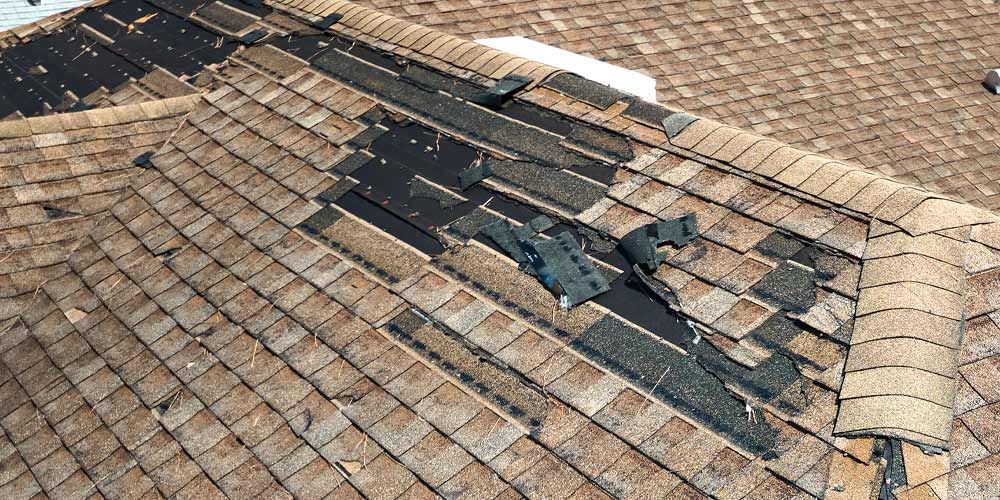
A roof leak involves water entering through a defect or vulnerable connection in the exterior roofing system. Condensation forms when moist air encounters a surface cold enough for water vapor to turn into liquid. In cold weather, the underside of roof decking can be one of those surfaces.
Both conditions can produce damp materials or ceiling stains, and both can occur in the same home. A contractor should consider the evidence for each rather than assume that every drip means damaged shingles or that every winter stain is condensation.
Use timing as a clue, not a diagnosis
Start a simple record of when the moisture appears. Note recent rain, snow cover, warming temperatures, or a prolonged cold spell. Include whether the home was occupied, whether exhaust fans were running, and whether a humidifier setting or household routine changed.
Moisture that repeatedly follows rainfall makes exterior water entry an important possibility. Moisture noticed during cold weather without recent rain can justify investigating interior humidity and condensation. Snowmelt can complicate the picture, so 'it did not rain' does not rule out an exterior water problem.
These patterns guide the investigation; they are not a homeowner test that produces a certain answer. Share the timeline when booking a roof inspection in Solon.
Describe the pattern and location
Explain whether the issue seems concentrated near one roof feature or appears across several areas. Take photographs from a safe location, and identify each room or accessible attic viewpoint. Avoid walking into an attic without a secure walkway or disturbing insulation to search for stains.
GAF notes that widespread attic moisture can be a clue to condensation, while moisture following rain can point toward a leak. Neither pattern is conclusive. Water can travel before becoming visible, and a professional may need to examine both the roof above and accessible materials below.
Do not assume that discoloration is new damage or that an old mark proves the problem is still active. Ask which findings indicate current moisture, what remains uncertain, and whether additional observation is necessary.
Look beyond the roof covering
An assessment of possible condensation should consider where indoor moisture may be reaching the attic. In a vented attic, openings at the ceiling boundary and the way exhaust ducts are routed can be relevant. Explain any recent bathroom renovation, fan replacement, attic work, or change in household humidity.
Have a qualified professional confirm that exhaust systems terminate appropriately outdoors and that ducts and connections are in suitable condition. Air sealing and insulation may also need evaluation. Simply replacing shingles does not explain or correct a source of moisture that begins inside the home.
The attic design matters here. A vented attic, a conditioned attic, and a finished space under the roof are not interchangeable. Before recommending new vents or other changes, the professional should identify the existing assembly and explain how the proposal fits it.
What should a useful assessment answer?
- Is there evidence of exterior water entry, condensation, another moisture source, or more than one problem?
- Which roof areas and attic components were accessible, and which could not be checked?
- What observations support the recommended repair or further investigation?
- Does the work involve roofing, exhaust ducting, insulation, air sealing, or another trade?
- How will wet or damaged materials be assessed after the source is addressed?
- What follow-up will help determine whether the problem has stopped?
These questions help keep the scope connected to the findings. If the issue is localized exterior damage, Solon roof repair may be appropriate. If the roof looks serviceable but moisture is entering from indoors, the next step may involve a different specialist or coordinated work.
Avoid fixes that hide the symptom
Painting a ceiling or covering stained material before documenting the issue can make the history harder to follow. Likewise, adding vents without evaluating the assembly leaves unanswered questions about the source and intended airflow. Ask what each proposed step is expected to change.
Keep a before-and-after record. Save the assessment, scope, and completion photos, then note whether the symptom returns under similar weather conditions. A dry afternoon after a repair is useful information, but it may not reproduce the conditions that previously caused the problem.
Follow-up should also address affected materials. Stopping the source does not automatically establish that insulation, decking, or finishes are dry and in acceptable condition. Ask who will evaluate those items and whether that work is included in the estimate.
When moisture needs prompt attention
Report active dripping, a growing stain, or visibly deteriorated materials promptly when contacting a professional. Stay clear of bulging ceilings and water near electrical fixtures. Do not enter an attic with questionable access or structural conditions just to collect more photographs.
When contacting Diamond Roofing Pros, describe the affected area and any active leakage so the team can discuss the roof assessment and next steps. Do not wait for another storm simply to obtain a more dramatic example.
Questions about winter attic moisture
Can condensation happen even if the shingles are in good condition?
Yes. Condensation can develop from moisture inside the building rather than a defect in the shingle surface. A roof and attic assessment helps distinguish those possibilities.
Will a new roof solve attic condensation?
Not automatically. Replacement may address roof components, but a moisture source or attic assembly issue may require separate work. Ask which part of the proposed project is intended to address the documented problem.
Should I block attic vents to keep cold air out?
Do not change the ventilation arrangement without an assessment. Openings in a vented attic have a purpose, while other attic designs follow different principles. The right recommendation depends on the assembly.
Get clarity before choosing the repair
Diamond Roofing Pros provides roofing services across our Northeast Ohio service area. If you are unsure whether a ceiling stain starts at the roof or inside the attic, request an evaluation and bring your moisture timeline. Clear observations help narrow the possibilities and support a repair plan based on the cause.